When to Replace Your Bra: 7 Signs It's Time for a New One
Bras do not fail all at once. The elastic gives a little, the band rides a little higher, the straps need tightening a little more often — and because it happens gradually, it is easy to keep wearing a bra long past the point where it is doing its job. The trouble is that a worn-out bra does not just feel less comfortable: it stops supporting, which means the straps take weight they were never meant to carry, and the cups stop containing tissue the way they should. This guide covers the seven clearest signs that a bra is done, how long a bra usually lasts, and what to do next — including how to check whether the problem is the bra, or your size.
One thing before the list: a bra that fails these checks is not necessarily a bra you measured wrong. Bodies change, elastic ages, and styles wear differently. Work through the signs, and if two or more of them apply to the same bra, it is time to let it go.
The 7 Signs It's Time to Replace Your Bra
1. The band rides up your back
The band should sit level around your body, at the same height front and back. If the back of the band creeps up between your shoulder blades during the day, the elastic has lost its grip — or the band was too loose to begin with. A riding band is the single clearest sign a bra is worn out, because the band does most of the supporting work. Try fastening it on the tightest hook: if it still rides up, the elastic is finished.
2. You are on the tightest hook — and it still feels loose
A new bra should fit comfortably on the loosest hook, leaving the tighter hooks in reserve for later, as the band stretches with wear. If you have worked your way to the tightest hook and the band still feels loose, the bra has stretched beyond its useful life. This is normal wear, not a fault: elastic relaxes a little every time it is worn and washed.
3. The straps keep slipping, no matter how you adjust them
Straps slip for two reasons: they have lost their elasticity, or the band is no longer holding the weight and the straps are being asked to do too much. First, tighten the straps and check the band — if the band is riding up, the straps are a symptom, not the cause. If the band is level and the straps still slide off your shoulders within an hour, the strap elastic is worn out.
4. The cups gap or spill when they used to fit
If a bra that once fitted now gaps at the top of the cups or spills at the sides, something has changed — and it may be the bra, or it may be you. Fabric and underwires lose their shape over time, and cups that have been crushed in a drawer or a washing machine will not sit the same way. But if several bras have started doing this at once, re-measure first: weight changes, hormonal shifts and aging can change your size, and a size change looks exactly like a worn-out bra.
5. The underwire pokes, twists or has broken through
An underwire that pokes is sometimes a size problem — the wire is the wrong width for your shape — but a wire that twists, bends out of shape or breaks through the fabric is a wear problem. Once the wire channel is damaged, the bra cannot be repaired reliably, and a poking wire will only get worse. Retire it.
6. The fabric is worn, faded or pilled — and the elastic feels different
Look at the band elastic and the cup fabric. If the elastic feels soft and slack instead of springy, if the fabric has gone thin, pilled or faded, or if the hooks no longer catch firmly, the materials have reached the end of their working life. A bra can look fine in a drawer and still be finished — the test is how it behaves on your body, not how it looks folded up.
7. It hurts, digs in or leaves marks that last
A bra should not hurt. Red marks that fade within an hour are common with a snug band, but marks that last for hours, straps that dig deep grooves into your shoulders, or a band that leaves you sore by the end of the day mean something is wrong — either the bra is worn out and distributing weight badly, or the size is wrong. Either way, stop wearing it daily and work out which one it is before you buy a replacement in the same size.
How Long Should a Bra Last?
There is no fixed expiry date, because how long a bra lasts depends on how often you wear it, how you wash it, and how it was made. As a rough rule of thumb, fitting guides commonly suggest reassessing your bras every 6 to 12 months — but the calendar is less important than the signs above. A bra in a rotation of three or four, worn once or twice a week and washed gently, will usually outlast a single favourite worn every day.
Three habits make the biggest difference to lifespan. First, rotate: give each bra a day or two of rest between wears so the elastic can recover. Second, wash gently: hand wash in cool water with a mild detergent, or use a mesh wash bag on a gentle cycle, and always air dry — heat from a tumble dryer is the fastest way to kill elastic. Third, store cups properly: stack moulded cups inside each other rather than folding one cup into the other, which creases the shape.
Is It the Bra — or Your Size?
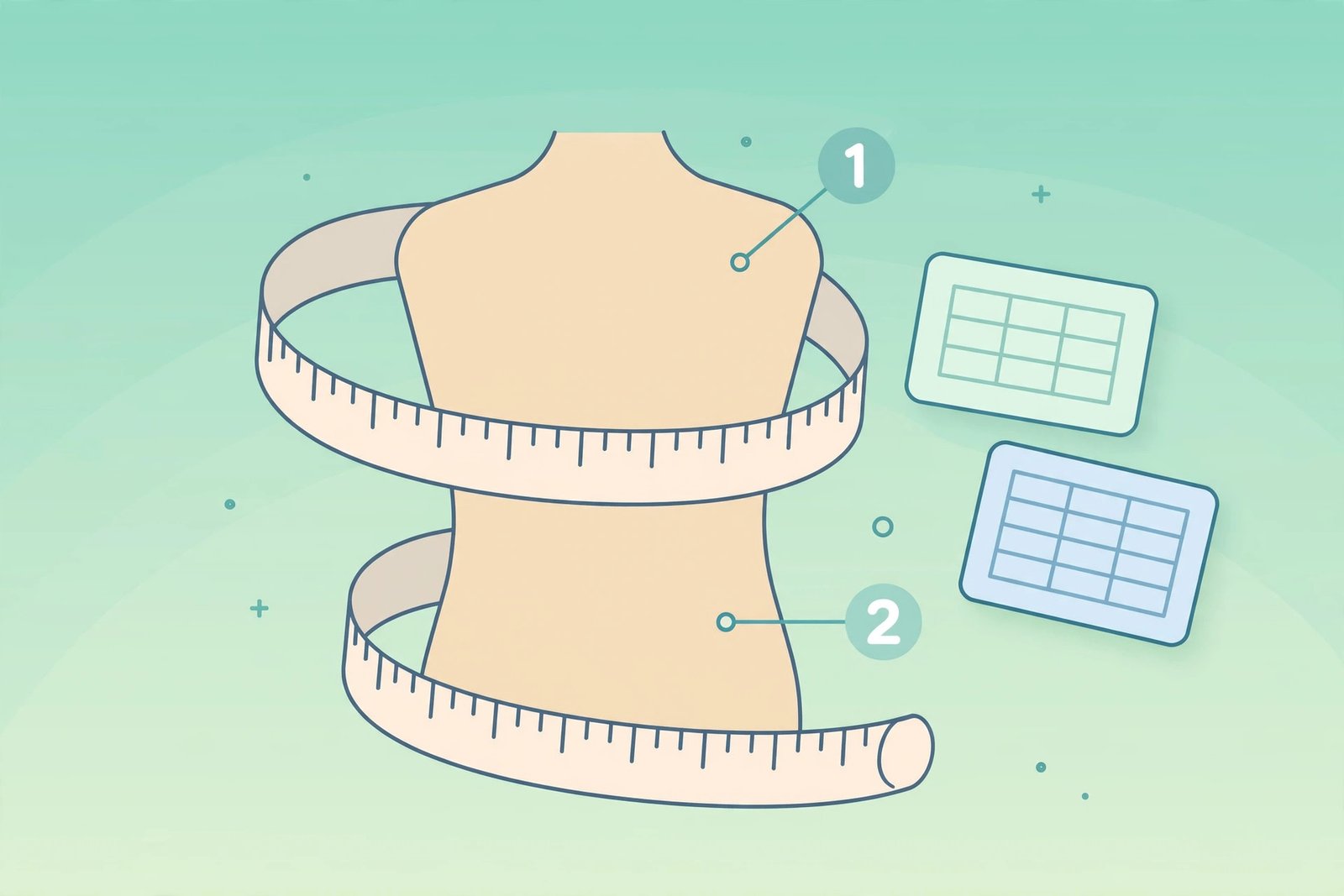
Before you replace a bra, it is worth spending ten minutes checking whether the problem is the bra or your size, because buying the same size again will not fix a size problem. Re-measure your underbust and bust with a soft tape — the measuring guide walks through both — and run the numbers through the bra size calculator. If your new size is different from the size on the label, try that size first. If your size is unchanged and the bra still fails the checks above, it is wear, and a replacement in the same size is the right call.
A useful test: put on your best-fitting bra, then the suspect one, back to back. If the suspect bra feels worse in the same size, the bra is the problem. If every bra you own feels wrong in the same way — bands riding up, cups spilling — the size is the likelier problem, and the fit problem solver can help narrow down what is going on.
What to Do Next
Start by sorting your drawer: keep the bras that still pass the checks, retire the ones that fail two or more signs, and set aside any that are borderline to re-check after you have a new bra to compare against. Then re-measure — bodies change, and a fresh measurement costs ten minutes and saves a drawer full of wrong sizes. Use the bra size calculator to get your estimated size, check it against the bra size chart for the system your favourite brands use, and try the new size on alongside a sister size or two. If you shop online and cannot try before you buy, order two sizes and return the one that fits worse.
Finally, give the replacement a fair test: wear it for a full day, check the band is still level by evening, and see whether the straps stayed put. A good bra should feel supportive and forgettable at the same time — if you are thinking about it all day, it is not the right one yet.
Frequently Asked Questions
How often should I replace my bras?
As a rough rule of thumb, fitting guides commonly suggest reassessing your bras every 6 to 12 months — but the calendar is less important than the signs in this guide. A bra worn twice a week and washed gently will last longer than one worn daily, and a bra that still passes the fit checks below does not need replacing just because a year has passed.
Can I keep wearing a bra that is comfortable but old?
If the band still sits level on the loosest hook, the cups still contain you without spilling or gaping, and the fabric and elastic still feel supportive, there is no rule that says you must throw it away. Comfort is a real fit signal — but check honestly, because elastic fails gradually and it is easy to get used to a slow decline.
Does washing ruin bras faster?
Rough washing does. Hot water, harsh detergent and tumble drying wear elastic out faster, and machine washing tangles straps and hooks. Hand washing in cool water with a gentle detergent, or a mesh wash bag on a gentle cycle, and air drying flat will keep a bra supportive for longer.
Should I replace all my bras at once?
No — replace the ones that fail the fit checks and keep the ones that still work. If you find your size has changed, replace the worst-fitting ones first and re-check the rest after a few weeks of wearing the new size, because your sense of what fits well often sharpens once you have a good bra to compare against.
What should I do with old bras?
If a bra is still wearable but no longer fits you, many charities and textile recycling schemes accept clean, gently used bras. If it is truly worn out — stretched band, broken underwire, torn fabric — textile recycling is the better destination than landfill where it is available.
Try It Yourself
Reading about fit is useful — measuring is better. Grab a tape measure, take your two measurements, and get your estimated size in under a minute.